
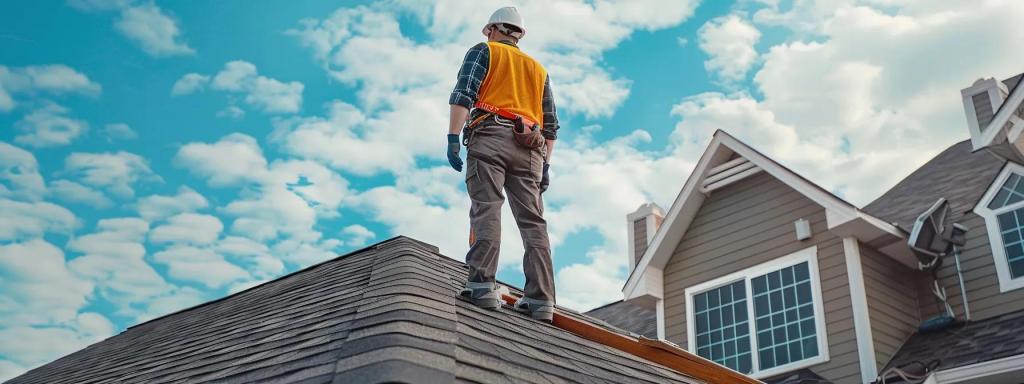
Whether you’re planning a full roof replacement or routine maintenance on your asphalt shingle roof, following proven best practices ensures durability, weather resistance, and long-term value. This guide covers everything from choosing quality shingles to advanced installation techniques, helping homeowners in New York City boroughs and beyond find reliable local roofing contractors, compare shingle brands, and protect their investment.
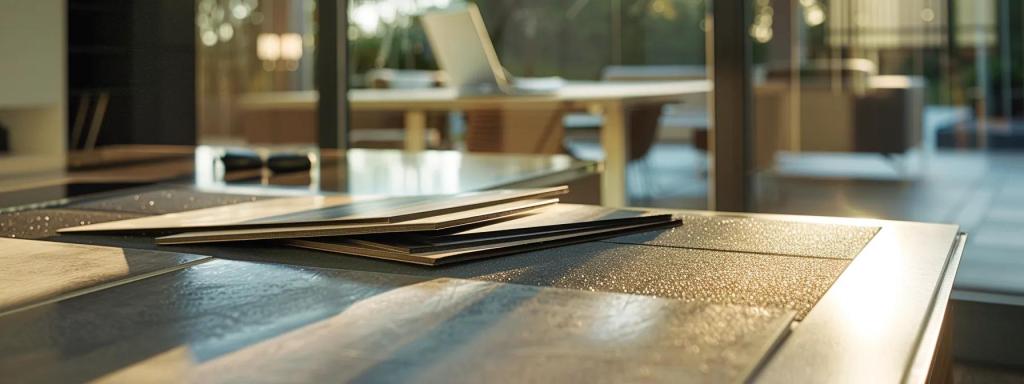
Shingle quality is determined by granule adhesion, wind-resistance rating, and fiberglass or organic mat construction, all of which contribute to a roof’s lifespan and leak prevention. High-performance asphalt shingles, like CertainTeed’s 130-MP or GAF Timberline HD, carry a Class 3 or Class 4 impact rating and can resist wind speeds of up to 130 mph, reducing hail damage and ice dam formation.
Performance also depends on shingle thickness (measured in inches) and manufacturer warranty, with thicker architectural shingles offering 25–30 years of protection compared to 15–20 years for three-tab styles. Manufacturers such as Owens Corning and Pabco Premier list reflectivity and algae resistance among key attributes, which can lower attic temperatures by up to 10 °F and delay streaking over a 10-year period.
Proper substrate preparation underlies shingle performance. A stable plywood deck with 5/8″ sheathing and a synthetic underlayment rated for 45 mil minimizes water intrusion, while drip edge and ice-water shield along eaves and valleys ensure code compliance in regions prone to heavy snow and ice.
Below is a comparative table summarizing core shingle attributes and expected performance.
| Shingle Brand | Wind Rating (mph) | Impact Classification | Warranty (years) |
|---|---|---|---|
| CertainTeed Landmark | 110 | Class 3 | 30 |
| GAF Timberline HD | 130 | Class 4 | 25 |
| Owens Corning Duration | 130 | Class 4 | 30 |
| Pabco Premier | 110 | Class 3 | 20 |
Comparing these specs helps homeowners choose a shingle that balances cost (average price per square around $90–$120) with longevity and storm resilience.

Preparing for roof replacement begins with a thorough inspection, which assesses deck deformation, nail pops, and granule loss to confirm the need for reroofing versus repair. Scheduling allows for securing permits, ordering materials, and arranging free estimates from trusted roofing companies near you, whether you’re in Staten Island or the Bronx.
Effective preparation reduces downtime and unexpected expenses. Clearing debris, trimming overhanging branches, and moving patio furniture safeguard property and expedite installation. Ordering shingle bundles—each bundle covering about 33 sq ft—ensures enough stock plus 10% extra for waste on steep slopes or hip-and-valley layouts.
Key preparation steps include:

Selecting a roofing contractor with proper licensing and Better Business Bureau accreditation reduces risk and ensures compliance with OSHA fall protection standards. Certified installers offer manufacturer-backed warranties and often include free roof inspections, leak assessments, and 24 hour roof repair for emergency situations.
Reputable companies list their credentials—EPA Lead-Safe, Angie’s List ratings, and local roofers near me search visibility. Comparing referral rates, project timelines, and contract terms helps homeowners find a roofer in their area who maintains consistent quality with asphalt shingle installation, metal flashing, and ventilation upgrades.
When evaluating bids, confirm that each contractor includes:

Connecting with local roofers involves verifying online reviews on HomeAdvisor, Yelp, and Google My Business, and requesting in-person assessments. Local contractors often provide faster response times and familiarity with borough-specific building codes and weather patterns such as snow load requirements in Queens and hail damage protocols in New Jersey suburbs.
Partnering with a nearby roofer reduces travel costs and often qualifies for regional discounts on materials like CertainTeed shingles or specialty ice-dam barriers. In addition, local teams can schedule maintenance during off-peak seasons—typically spring and fall—to avoid premium surge pricing during extreme weather months.
| Feature | Local Roofer | National Chain |
|---|---|---|
| Response Time | 24-48 hours | 3-5 days |
| Regional Expertise | High | Medium |
| Pricing Flexibility | Negotiable | Standardized |
| Warranty Service | On-site | Factory-managed |
Assessing these factors helps consumers decide between a community-based contractor and a national roofing entity, balancing cost, convenience, and quality control.

Regular roof maintenance, including annual inspections and moss removal, extends shingle lifespan by up to 15%, preventing moisture penetration and wood deck rot. Clearing debris from valleys, cleaning gutters, and replacing broken shingles reduces the risk of leaks and costly interior water damage.
Seasonal maintenance tips for asphalt shingles include:
Advanced roofing techniques such as self-sealing shingles with butyl adhesive strips and multi-layer underlayments enhance weather resistance and simplify installation. Incorporating synthetic breathable membranes beneath asphalt shingles reduces condensation by 30%, protecting attic insulation and prolonging overall roof system health.
Other innovations include solar-ready shingles that integrate photovoltaic cells directly into GAF Timberline HD profiles and reflective coating applications that lower energy costs by up to 8% in residential roofing projects. These technologies align with green building goals and can increase home resale value by 4–6% in competitive markets.