

Signs Your Siding Needs Immediate Attention
Is your home’s siding showing signs of wear and tear? Many homeowners overlook siding issues until they become costly problems. This post will identify key indicators that your siding needs immediate attention, including visible physical damage, moisture issues, and reduced energy efficiency. By recognizing these signs early, readers can protect their investment and maintain a comfortable living environment. Understanding these factors will help address pressing concerns and ensure the longevity of your home’s exterior.
Key Takeaways
- Visible damage to siding can lead to serious moisture and structural issues
- Regular inspections can help homeowners catch siding problems early and prevent costly repairs
- Addressing minor siding issues promptly protects the home’s integrity and energy efficiency
- Consulting professionals after severe weather ensures timely assessments and necessary repairs
- Failing caulking can result in moisture intrusion and increased energy costs
Identify Obvious Physical Damage to Your Siding
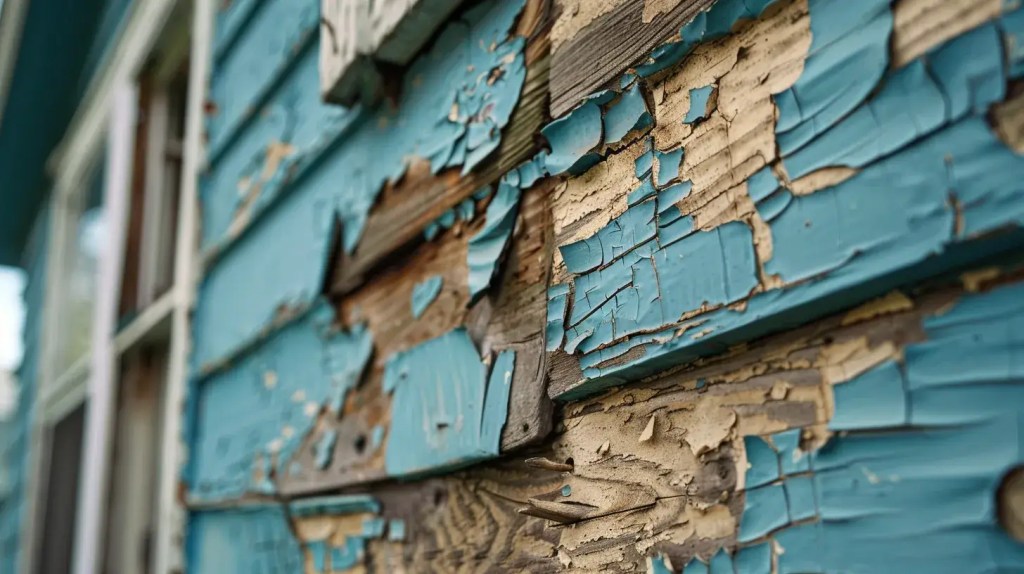
Visible damage to siding can signal the need for immediate siding services due to factors like extreme weather. Homeowners should look for cracks or splits on siding panels, holes that suggest pest activity, and sections that warp or buckle. Additionally, loose panels pulling away from walls and patterns of hail or storm damage can drastically impact a home’s efficiency and aesthetic.
Cracks or Splits Appearing on Siding Panels
Cracks or splits in residential siding can be a clear indication that repairs are necessary, especially after severe weather events like hail storms. These damages not only compromise the aesthetic appeal of a home, but they can also lead to further problems, such as water infiltration and pest infestations. Homeowners should consider obtaining a free estimate from professionals to assess the extent of the damage and discuss options to replace damaged panels for long-lasting protection.
| Damage Type | Potential Causes | Recommended Action |
|---|---|---|
| Cracks | Extreme Weather, Aging | Free quote to replace siding |
| Splits | Hail Damage, Improper Installation | Consultation for repair options |
| Visible Holes | Pest Activity | Immediate professional assessment |
Holes Indicating Pest Activity or Impact
Holes in siding, whether resulting from pest activity or physical impact, often indicate a need for immediate repairs. Such openings can lead to moisture problems, compromising the waterproofing capabilities of materials like vinyl shake siding or stucco. Homeowners should act promptly to address these issues, as untreated holes can allow water to seep in, causing further damage and necessitating replacement of quality siding to restore the home’s protective barrier.
Warping or Buckling Siding Sections
Warping or buckling siding sections often signal underlying issues that require urgent attention. This condition can result from prolonged exposure to moisture, leading to the growth of mold and mildew, which not only affects the appearance but can also compromise structural integrity. Homeowners facing such problems should consult siding contractors to assess the damage and address potential insect infestations that may be exacerbating the situation.
- Inspect siding for visible warping or buckling.
- Check for signs of mold and mildew that may indicate moisture retention.
- Contact siding contractors for a professional assessment and repair options.
- Address any underlying issues, such as insect damage, promptly.
Loose Panels or Siding Pulling Away From Walls
Loose panels or siding pulling away from walls signal potential wear and tear that requires immediate attention. This problem may arise due to improper installation or the effects of weather exposure on vinyl siding. Homeowners should consider inspecting their siding regularly, as addressing these issues sooner rather than later can prevent costly repairs, such as roof replacement, and prolong the lifespan of various vinyl siding options.
Recognizing Hail or Storm Damage Patterns
Homeowners should regularly inspect their siding for patterns of hail or storm damage, especially in regions prone to extreme climate conditions. Visible dents, cracks, or loose siding materials indicate that severe weather may have compromised the structure. Conducting a thorough roof inspection after storms can help identify issues with commercial siding as well, allowing for prompt repairs and maintenance to preserve the home’s integrity.
After assessing the visible damage, shift your attention to the hidden threats. Moisture can creep in quietly, but its effects can be far-reaching and costly.
Detect Moisture Problems Affecting Siding
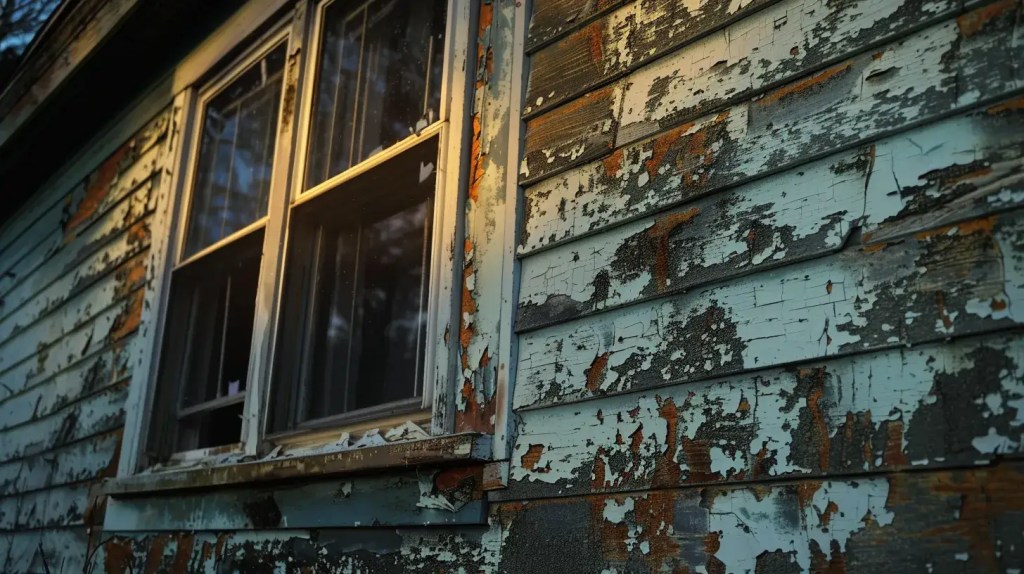
Homeowners should monitor for moisture problems that can severely affect siding. Spotting mold, mildew, or fungus growth is crucial, as is finding rot or decay, particularly near the ground. Water stains on exterior walls, peeling paint, or damaged wallpaper indoors also indicate potential issues. Checking the caulking around windows and doors for failure is essential in maintaining the integrity of siding and preventing costly replacements.
Spotting Mold Mildew or Fungus Growth
Spotting mold, mildew, or fungus growth on roofing siding or other exteriors is essential for maintaining the integrity of a home. These issues often indicate moisture problems that can lead to increased energy bills due to compromised insulation. Homeowners should inspect the caulk around windows and doors regularly, as failing caulking allows water intrusion, creating an environment conducive to pest infestations and further deterioration of the siding.
Finding Rot or Decay Especially Near the Ground
Finding rot or decay near the ground is a critical indicator that siding requires immediate attention. This issue often arises from moisture accumulation that can degrade materials, particularly in areas where traditional wood or fiber cement siding is utilized. Homeowners should closely examine the lower sections of their siding, as early detection can prevent the need for costly siding replacement or even necessitate window replacement if moisture penetrates the home’s structure.
| Issue | Common Cause | Recommended Action |
|---|---|---|
| Rot or Decay | Moisture Accumulation | Inspect and replace affected siding |
| Moisture Damage | Poor Drainage, Insufficient Ventilation | Consult professionals for assessment |
| Potential Structural Damage | Long-term Exposure to Water | Consider fiber cement siding for durability |
Noticing Water Stains on Exterior Walls
Noticing water stains on exterior walls serves as a clear indicator of potential issues with a home’s siding and roofing. Such stains typically suggest leaks that can lead to wear over time, compromising the home’s curb appeal and structural integrity. Homeowners should address these stains promptly, as they can escalate into severe water damage if left unchecked, necessitating costly repairs and possibly even siding replacement.
Observing Peeling Paint or Damaged Wallpaper Indoors
Observing peeling paint or damaged wallpaper indoors can indicate significant moisture problems associated with siding. This situation often suggests that water has penetrated the siding, potentially leading to mold growth and affecting the home’s curb appeal. Homeowners should consider checking the condition of the siding installation and ensuring sealant is intact, as these factors play a crucial role in maintaining the home’s integrity and any warranty protection on installed materials.
- Monitor for signs of peeling paint or damaged wallpaper.
- Inspect siding for moisture damage that could lead to mold growth.
- Ensure proper sealant around windows and doors to protect siding.
- Consider professional assessment if moisture issues persist.
Checking Caulking Around Windows and Doors for Failure
Regularly checking the caulking around windows and doors is vital for detecting potential moisture issues that can affect siding integrity. Over time, caulking can deteriorate due to exposure to heat and weather conditions, leading to gaps that allow water infiltration. Homeowners should ensure that the sealant is intact and functioning since any failure not only risks siding damage but also compromises energy efficiency, increasing heating and cooling costs.
| Caulking Condition | Potential Issues | Recommended Action |
|---|---|---|
| Cracked or Missing Caulking | Water Intrusion, Reduced Insulation | Replace caulking |
| Discoloration | Moisture Accumulation, Mold Growth | Inspect and reapply sealant |
| No Sealant Present | Increased Heat Loss, Damage to Siding | Apply new caulking |
Moisture can eat away at siding, weakening its hold. As the signs of decay appear, it becomes vital to recognize when siding is close to its end.
Recognize Siding Nearing the End of Its Lifespan
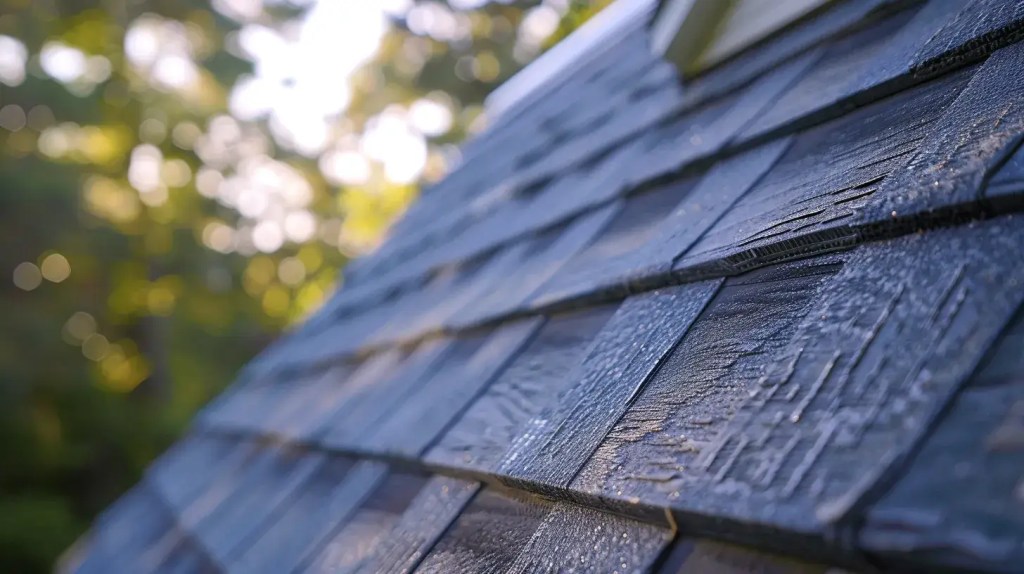
Extensive fading or discoloration across surfaces may signal that siding is nearing the end of its effective lifespan. When siding material feels brittle or chalky, it indicates potential degradation. Frequent repairs on multiple sections also suggest a decline in structural integrity. Knowing the average lifespan for different siding types can help homeowners make informed decisions about necessary replacements and maintenance.
Extensive Fading or Discoloration Across Surfaces
Extensive fading or discoloration across siding surfaces often signifies that the material is approaching the end of its useful life. As siding ages, exposure to environmental factors such as sun, wind, and rain can degrade its appearance and structural integrity, especially for materials like vinyl and wood. Homeowners should consider replacing faded siding promptly to maintain aesthetic appeal and protect their homes from potential weather-related damage.
| Observation | Implication | Recommended Action |
|---|---|---|
| Fading Color | Material Degradation | Inspect for replacement options |
| Discoloration Spots | Potential Mold or Mildew Growth | Consult a professional for assessment |
| Brittle Texture | Weakened Structural Integrity | Consider full siding replacement |
Siding Material Feels Brittle or Chalky
When siding material feels brittle or chalky, it indicates significant deterioration and that it is approaching the end of its effective lifespan. This texture often results from prolonged exposure to UV rays and weather elements, which compromise the siding‘s integrity, making it vulnerable to cracks and other damage. Homeowners should promptly evaluate their siding condition and consider replacement options to prevent further risks associated with inadequate protection against moisture and pests.
Frequent Need for Repairs on Multiple Sections
Frequent repairs on multiple sections of siding often indicate that the material is nearing the end of its lifespan and may require replacement. Homeowners should be aware that recurring issues can signify underlying problems with the structure, potentially leading to more extensive damage if not addressed promptly. Engaging with experienced professionals for a thorough inspection can provide valuable insights into the condition of the siding and help determine the best course of action for maintaining the home’s integrity and value.
Knowing the Average Lifespan for Your Siding Type
Understanding the average lifespan of different siding materials is essential for homeowners aiming to maintain their property. For instance, vinyl siding typically lasts between 20 to 40 years, while wood siding may require replacement after 15 to 20 years due to susceptibility to moisture and pests. Knowledge of these timelines enables homeowners to plan for maintenance or replacement and to ensure that their siding continues to offer protection against environmental elements.
As siding deteriorates, the home’s warmth begins to slip away. A quiet chill settles in, pointing to a growing concern: energy efficiency may no longer hold steady.
Notice Reduced Home Energy Efficiency

Unexplained increases in heating or cooling bills, drafts near walls, windows, or outlets, and issues with insulation linked to siding gaps can indicate that siding is no longer providing an adequate thermal barrier. These problems highlight the critical need for homeowners to assess their siding‘s effectiveness in maintaining energy efficiency and consider necessary repairs or replacements.
Unexplained Increases in Heating or Cooling Bills
Unexplained increases in heating or cooling bills often suggest that siding may no longer be providing an effective thermal barrier. Gaps or damage in the siding can allow air to escape or enter, leading to significant energy loss. Homeowners experiencing these surges in energy costs should consider a thorough inspection of their siding to identify potential faults that compromise insulation and contribute to higher utility expenses.
Feeling Drafts Near Walls Windows or Outlets
Feeling drafts near walls, windows, or outlets is a strong indicator that the siding may not be providing adequate insulation. These drafts can stem from gaps or damaged siding, allowing outdoor air to penetrate the home and disrupt temperature stability. Homeowners facing this issue should consider performing a detailed inspection of their siding to identify and address any weaknesses that compromise energy efficiency, ultimately leading to increased heating and cooling costs.
Insulation Problems Linked to Siding Gaps
Insulation problems related to gaps in siding can significantly affect a home’s energy efficiency. When gaps exist, conditioned air escapes or unconditioned air infiltrates, leading to fluctuations in indoor temperatures and increased energy costs. Homeowners experiencing inconsistent indoor temperatures or rising utility bills should inspect their siding for gaps and consider contacting professionals to assess insulation needs and recommend appropriate solutions.
| Issue | Implication | Recommended Action |
|---|---|---|
| Siding Gaps | Energy Loss | Inspect and seal gaps |
| Temperature Fluctuations | Inadequate Insulation | Evaluate siding for damage |
| Increased Heating/Cooling Bills | Poor Energy Efficiency | Consult insulation professional |
Siding No Longer Providing Adequate Thermal Barrier
When siding no longer provides an adequate thermal barrier, homeowners may notice irregular temperature fluctuations indoors and increased energy bills. This decline in efficiency often stems from gaps, cracks, or deterioration in the siding material, allowing conditioned air to escape and outside air to infiltrate. To mitigate these issues, a thorough inspection of the siding is essential, enabling homeowners to identify problem areas and explore corrective measures that enhance insulation and restore energy efficiency.
The energy bills rose, a quiet sign that something was wrong. It was time to look closer, to check the siding fasteners and seams for hidden troubles.
Inspect Siding Fasteners and Seams
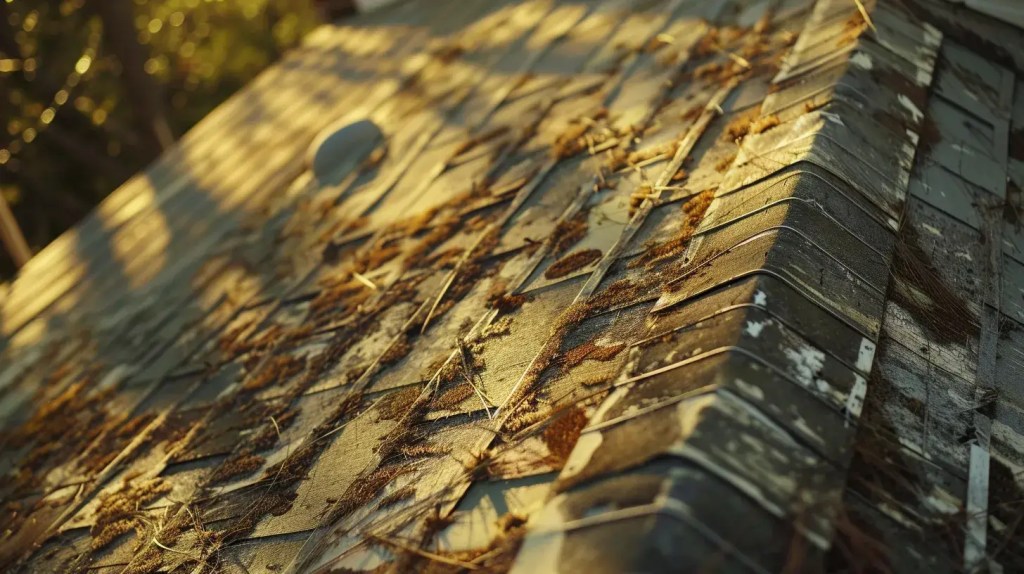
Rusted nails or screws protruding from siding panels can indicate structural issues that require urgent attention. Exposed nail heads suggest potential panel movement, while gaps forming between siding boards may signal water intrusion risks. Additionally, deteriorating seals around vents and fixtures can enhance the likelihood of moisture problems. Addressing these concerns promptly can help maintain the home’s integrity and prevent further damage.
Rusted Nails or Screws Showing on Panels
Rusted nails or screws visible on siding panels often indicate serious structural issues that require immediate attention. These rust spots reveal that moisture has penetrated the siding, leading to deterioration that can compromise the overall integrity of the home. Homeowners should act swiftly by consulting a professional to assess the damage and undertake necessary repairs, which may include reinforcing or replacing affected fasteners to prevent further problems.
| Observation | Potential Issues | Recommended Action |
|---|---|---|
| Rusted Nails or Screws | Moisture Penetration, Structural Integrity Risk | Consult a professional for repair |
| Exposed Nail Heads | Potential Panel Movement, Water Intrusion | Reinforce or replace affected fasteners |
| Gaps in Siding Boards | Increased Risk of Water Damage | Inspect and seal gaps |
Exposed Nail Heads Suggesting Panel Movement
Exposed nail heads are a concerning sign indicating potential panel movement in siding installations. When nails or screws become visible, it suggests that the siding panels may be shifting or separating, exposing the underlying structure to moisture. Homeowners should address this issue promptly to prevent water intrusion and further damage, as the integrity of the siding could be compromised if left unattended:
- Inspect for rusted or corroded fasteners.
- Look for gaps between siding boards.
- Consider consulting a professional for necessary repairs.
Gaps Opening Between Siding Boards or Panels
Gaps opening between siding boards or panels can create significant concerns for homeowners, indicating potential water intrusion risks. These openings often arise from natural wear and tear or improper installation, allowing moisture to seep into the underlying structure, which can lead to rot and mold growth. Homeowners should prioritize inspecting these gaps regularly, as addressing them promptly mitigates further damage and preserves the home’s structural integrity.
Seals Around Vents and Fixtures Deteriorating
Deteriorating seals around vents and fixtures are often an overlooked issue that can lead to significant siding problems. When seals wear out, they allow moisture to penetrate, increasing the risk of rot and mold growth within the siding and underlayment. Homeowners should conduct regular inspections of these areas, replacing any compromised seals to maintain the integrity of the siding and protect against water damage:
- Inspect seals around vents and fixtures for signs of wear.
- Replace damaged or degraded seals promptly.
- Monitor for moisture accumulation in connected areas.
Once the siding fasteners and seams are inspected, a deeper concern emerges. Immediate action on siding repairs can mean the difference between a sturdy home and costly damage.
Understand the Urgency of Siding Repairs
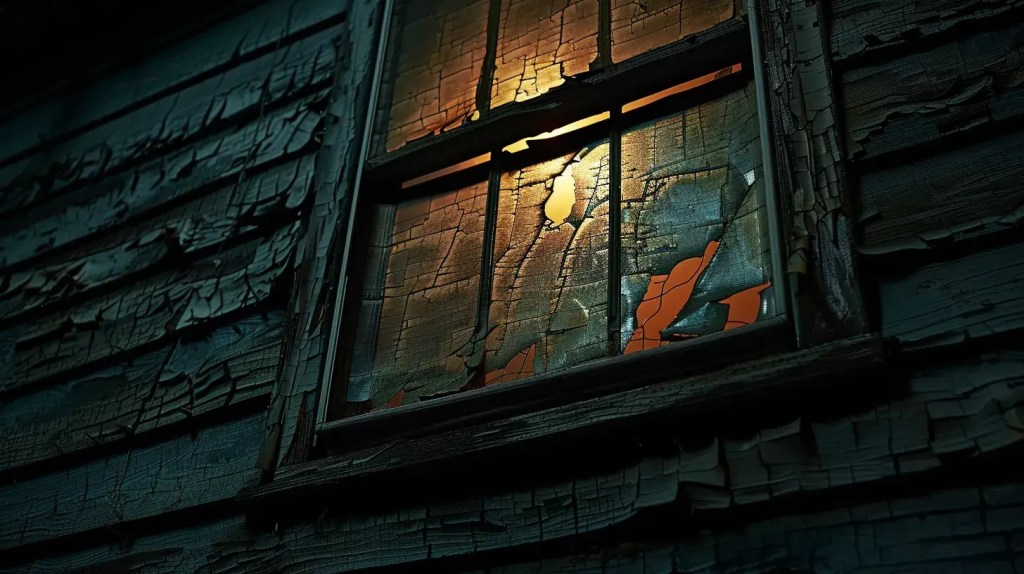
Minor siding issues can quickly escalate into significant damage if left unaddressed, jeopardizing a home’s structural integrity. Homeowners need to take swift action to avoid costly repairs that could arise from neglected siding. This section will outline how to recognize these urgent matters, when to seek a professional siding inspection, and the importance of timely intervention.
How Minor Issues Escalate Into Major Damage
Minor issues with siding, such as small cracks or loose panels, can often be overlooked, yet these seemingly insignificant problems can escalate into major damage over time. For instance, undetected cracks can allow moisture infiltration, leading to rot and even structural issues within the home’s framework. Prompt attention to these minor concerns is essential for homeowners wishing to avoid costly repairs and maintain the overall integrity and longevity of their siding.
Protecting Your Home's Structural Integrity
Protecting a home’s structural integrity is paramount for maintaining overall safety and comfort. Neglecting minor siding issues can lead to severe problems, such as water intrusion and mold growth, which may ultimately compromise the foundation and internal structures of the home. Homeowners must prioritize siding maintenance and seek repairs swiftly to safeguard their property from escalating damage:
- Regularly inspect siding for cracks, splits, or other visible damage.
- Address issues promptly to prevent moisture-related problems.
- Consult professionals for assessments, especially after severe weather events.
Avoiding Costlier Repairs Through Prompt Action
Timely action on siding repairs can significantly reduce the risk of more extensive and expensive damage. For example, addressing minor cracks or loose panels promptly can prevent moisture infiltration, which can lead to rot and structural issues within a home. Homeowners should stay vigilant in monitoring their siding condition and seek professional assessments whenever they notice potential problems; this proactive approach helps protect their investment and maintain a safe living environment:
| Issue | Potential Consequence | Recommended Action |
|---|---|---|
| Minor Cracks | Moisture Infiltration | Repair or replace affected panels |
| Loose Panels | Structural Damage | Consult a professional for repairs |
| Visible Gaps | Increased Energy Costs | Seal gaps to improve insulation |
When to Schedule a Professional Siding Inspection
Scheduling a professional siding inspection is essential when homeowners notice visible damage, such as cracks, holes, or signs of water intrusion. Prompt assessments by qualified contractors can identify underlying issues and prevent further deterioration of the siding. By addressing potential problems early on, homeowners can avoid costly repairs and maintain the structural integrity and energy efficiency of their homes.
Conclusion
Recognizing the signs that siding needs immediate attention is crucial for maintaining a home’s structural integrity and energy efficiency. Visible damage, such as cracks, warping, or pest-related holes, can lead to significant issues if ignored. Homeowners should act promptly by seeking professional assessments to prevent costly repairs and preserve their property’s value. Regular inspections and timely interventions can safeguard against moisture infiltration and protect the investment in a well-maintained home. Vidit out Google Business Profile
