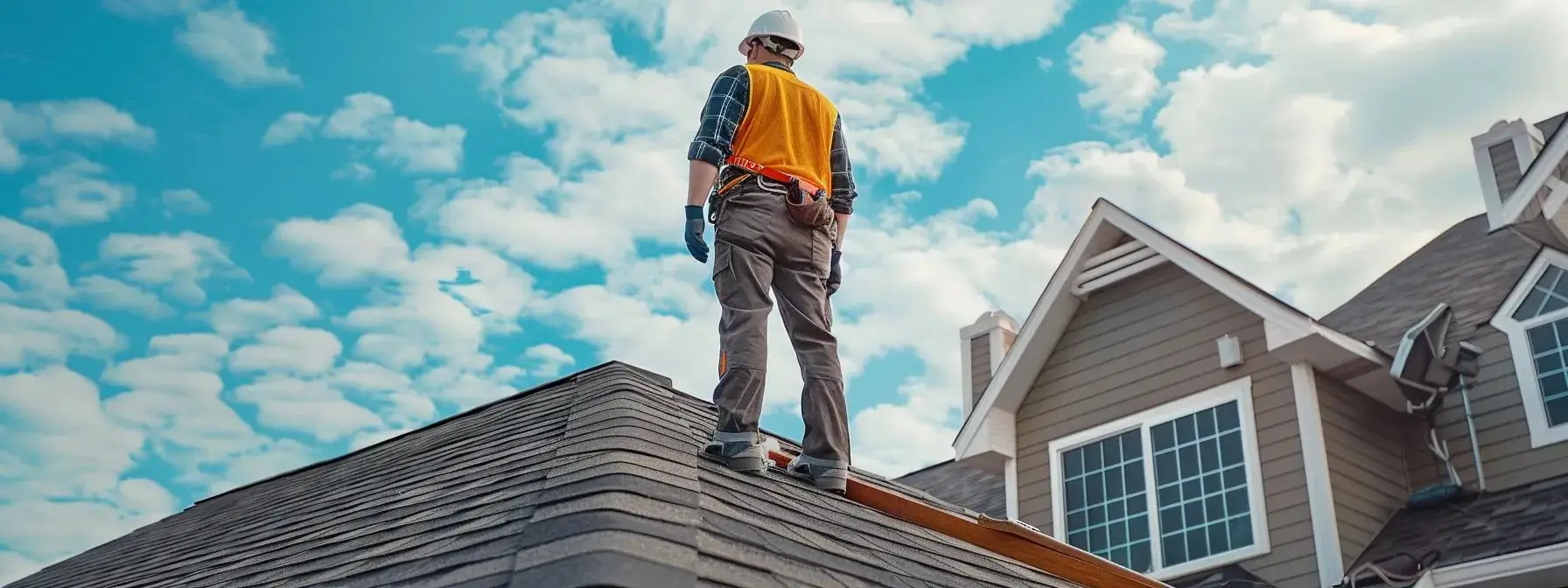
Explore the Durability of Metal Roofing for Your Project
The Unmatched Durability of Metal Roofing
Is the constant need for roof repairs draining your resources? Metal roofing offers unmatched durability, making it a compelling choice for homeowners seeking long-lasting solutions. This article will explore the exceptional lifespan of metal roofs, their superior resistance to severe weather, and key factors impacting their longevity. Readers will learn how opting for metal roofing can significantly reduce maintenance costs and enhance their home’s protection. Discover how to solve your roofing issues once and for all with a reliable, durable option.
Key Takeaways
- Metal roofs can last 40 to 70 years, outpacing traditional roofing materials significantly
- Their resistance to fire, corrosion, and UV damage enhances their overall durability and safety
- Proper installation and high-quality materials are essential for maximizing metal roofing performance
- Regular inspections and maintenance help identify issues early, prolonging roof lifespan and effectiveness
- Choosing metal roofing aligns with sustainable practices by reducing frequent replacements and maintenance needs
Understanding the Exceptional Lifespan of Metal Roofs
Metal roofs typically endure for 40-70 years, significantly outlasting traditional roofing alternatives. Factors such as resistance to wildfire, heat, and mildew contribute to this longevity. Different metal materials offer varying lifespans, while robust warranties further reflect their durability. Real-world examples illustrate how metal roofing withstands harsh conditions, minimizing the need for roof replacement and promoting long-term value.
How Long Metal Roofs Typically Last Compared to Alternatives
Metal roofs typically last between 40 to 70 years, significantly exceeding traditional roofing materials such as asphalt shingles, which often require replacement within 15 to 30 years. This remarkable lifespan is attributed to metal’s inherent properties, including resistance to corrosion, ultraviolet radiation, and fire, making it an ideal choice for homeowners. When selecting a metal roofing company, understanding these longevity benefits can lead to reduced maintenance costs and improved safety in case of lightning strikes:
Key Factors Contributing to Metal Roof Longevity
The longevity of metal roofing can be attributed to several key factors, including its exceptional reflectance capabilities, which help mitigate heat absorption and reduce energy costs. Unlike traditional roofing, metal roofs resist moisture accumulation, thus minimizing the risk of mold and corrosion over time. Additionally, the streamlined surface of metal effectively sheds debris, further enhancing its durability and reducing maintenance requirements, making it a practical choice for homeowners seeking long-term value in their roofing solutions.
Lifespan Variations Among Different Metal Roofing Materials
Different metal roofing materials exhibit varying lifespans, impacting their durability and effectiveness. For instance, tin roofs can last for up to 50 years and provide excellent resilience against wind and severe weather, whereas materials like galvanized steel may offer an even longer life of 70 years due to their advanced protective coatings. Homeowners should consult a roofer to understand how the choice between metal types, such as aluminum or steel, can also influence factors like noise levels and maintenance needs, especially when comparing them to traditional asphalt shingle roofs, which generally have a much shorter lifespan.
What Metal Roofing Warranties Indicate About Durability
Metal roofing warranties are crucial indicators of durability, often covering roof damage caused by severe weather conditions, such as hail. These warranties reflect the manufacturer’s confidence in their products to withstand common risks associated with environmental factors. In contrast to materials like bitumen or tile, which may require more frequent maintenance and replacement, metal roofs tend to maintain their integrity over decades, providing homeowners with peace of mind and a sound investment for their property.
Real-World Examples Showcasing Metal Roof Endurance
Real-world applications of metal roofing illustrate its unmatched durability under various conditions. For instance, many residential and commercial buildings featuring zinc roofing have survived severe weather events, including heavy storms and hail without resulting in leaks. Moreover, the use of metal roofs assists in reducing energy costs for air conditioning by reflecting heat, which decreases the dependency on cooling systems, thus benefiting both the environment by reducing landfill waste and homeowners through enhanced longevity of their roofs.
Metal roofs last longer than most. Their strength in the face of harsh weather reveals their true value.
Superior Resistance to Severe Weather Conditions
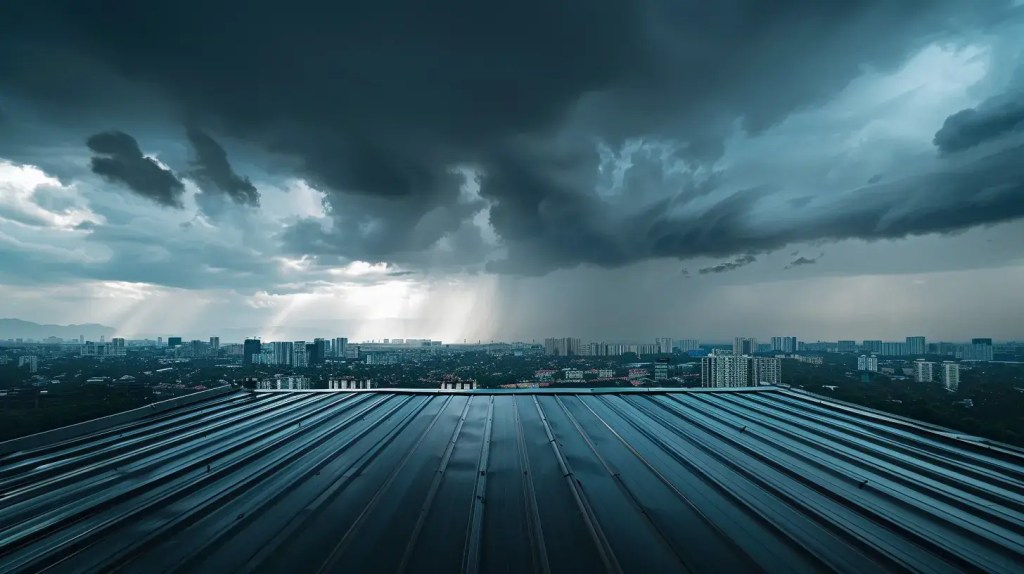
Metal roofing demonstrates exceptional durability and resilience in severe weather conditions. It stands strong against high winds and uplift forces, ensuring structural integrity during thunderstorms. The performance of metal roofs during heavy snowfall and ice dams is noteworthy, as they shed moisture effectively. Additionally, their ability to withstand driving rain, moisture intrusion, and hail impact enhances their protective qualities. Natural fire resistance further adds to their appeal, making materials like copper desirable for homeowners seeking long-lasting, reliable roofing solutions.
Standing Strong Against High Winds and Uplift Forces
Metal roofing is engineered to withstand high winds and uplift forces, ensuring it remains intact even during severe storms. This roofing solution’s robust design and lightweight nature significantly reduce stress on the underlying structure, unlike traditional concrete materials that may crack under similar pressures. Regular inspection and maintenance can further enhance its lifespan by identifying potential weaknesses that pests or environmental factors may introduce, allowing homeowners to address issues before they escalate.
Metal Roof Performance During Heavy Snowfall and Ice Dams
Metal roofing has proven to be highly effective in managing heavy snowfall and preventing ice dams, crucial for homeowners in regions with extreme weather. The design of metal roofing allows snow to slide off easily, reducing the accumulation that often leads to ice dam formation. According to the Metal Roofing Alliance, proper metal roof installation enhances the roof‘s performance against climate challenges, ensuring integrity and reducing the potential for waste caused by structural damage from heavy snow loads.
Excellent Protection Against Driving Rain and Moisture Intrusion
Metal roofing provides exemplary protection against driving rain and moisture intrusion, making it a reliable choice for homeowners in storm-prone areas. Its seamless design minimizes the risk of leaks, effectively preventing water damage that can lead to costly repairs. Furthermore, the efficiency of metal roofs in reflecting heat helps combat the urban heat island effect, ensuring a more comfortable indoor environment during extreme weather conditions.
How Metal Roofs Withstand Hail Impact
Metal roofs offer exceptional resilience against hail impact due to their robust materials and protective coatings. Unlike traditional roofing options, such as wood or asphalt, metal roofs are designed to withstand significant impacts without compromising their structural integrity. This capability not only prevents water damage but also aligns with sustainability goals, as homeowners can opt for long-lasting solutions that reduce the need for frequent repairs and replacements.
- Metal roofs resist hail due to their sturdy design and coatings.
- They help prevent water damage, ensuring a dry environment.
- Choosing metal roofing aligns with sustainable building practices.
- The durability reduces the need for contracts for frequent repairs.
Natural Fire Resistance Qualities of Metal Roofing
Metal roofing displays exceptional natural fire resistance, which significantly enhances its safety profile compared to other roofing materials. Designed to withstand extreme temperatures, metal roofs are often rated Class A for fire resistance, making them ideal for homes in areas susceptible to wildfires or inspections requiring stringent fire safety standards. By opting for metal roofing, homeowners not only safeguard their property but also potentially reduce insurance premiums, as many insurers recognize the reduced risk associated with fire-resistant materials.
Weather can be cruel, testing the strength of any roof. Yet, when challenges arise, the true toughness of metal roofing reveals itself against physical damage.
Metal Roofing Strength Against Physical Damage
Metal roofing exhibits remarkable strength against physical damage, providing homeowners with significant advantages. Its impact resistance protects against falling debris, while its sturdy composition prevents cracking and splitting that often affect other materials. Additionally, metal roofs deter pests and resist insect infestation, contributing to their longevity. Over time, these roofs also remain resistant to rot and decay, reinforcing their status as a reliable choice for durable roofing solutions.
Assessing Impact Resistance From Falling Debris
Metal roofing showcases remarkable impact resistance against falling debris, making it an ideal choice for homeowners concerned about storm-related damage. Its robust construction effectively mitigates dents or structural failures caused by heavy objects, unlike traditional roofing materials that may suffer significant harm. Homeowners can confidently rely on metal roofs to endure environmental challenges, ensuring long-term performance and minimizing repair needs:
- Metal roofs withstand impacts from falling debris.
- Robust construction prevents dents and structural failures.
- Reliable performance reduces repair needs.
Preventing Cracking and Splitting Unlike Other Materials
Metal roofing displays superior resistance to cracking and splitting compared to traditional materials like asphalt or wood. Its robust construction, often composed of galvanized steel or aluminum, allows it to withstand extreme weather conditions without succumbing to the damage that frequently affects other roofing options. Homeowners benefit from the resilience of metal roofs, which maintain their integrity over time, reducing the need for frequent repairs and ensuring long-lasting protection for their properties.
Natural Deterrence to Pests and Insect Infestation
Metal roofing inherently deters pests and insect infestations, making it a desirable choice for homeowners aiming to safeguard their property. Unlike traditional roofing materials, which may provide nesting sites for animals or insects, metal roofs feature a smooth surface that minimizes access points and discourages pests from establishing themselves. This superior resistance not only prolongs the lifespan of the roof but also reduces the need for costly pest control services, ensuring that homes remain secure and well-maintained over time.
How Metal Roof Systems Resist Rot and Decay Over Time
Metal roof systems are highly resistant to rot and decay due to their composition and protective coatings, which prevent moisture accumulation. Unlike traditional roofing materials that can degrade over time from exposure to the elements, metal roofs maintain their integrity, ensuring a long-lasting solution for homeowners. Proper installation and routine maintenance further enhance their durability, addressing potential challenges before they escalate:
Metal roofs stand strong against many forces. Understanding the key elements that contribute to their durability reveals why they are an excellent choice for protection.
Key Elements Affecting Metal Roof Durability Advantages
The durability of metal roofing is influenced by several critical factors. The strength of metal gauge and quality directly impacts the roof‘s overall durability. Protective coatings not only enhance resilience but also improve aesthetics. Proper installation techniques are essential for ensuring lasting performance. Additionally, climate considerations play a vital role in selecting the right metal roof, while understanding corrosion resistance is crucial for different environments.
The Role of Metal Gauge and Quality in Overall Strength
The gauge and quality of metal significantly impact the overall strength and durability of metal roofing systems. Thicker metal gauges, typically ranging from 24 to 26, provide enhanced structural integrity, making roofs more resilient against severe weather conditions. Homeowners should consider high-quality materials that include protective coatings, as these not only prevent corrosion but also extend the lifespan of the roofing, ensuring long-term performance and reducing maintenance efforts.
Protective Coatings Enhancing Resilience and Appearance
Protective coatings play a significant role in enhancing the resilience and visual appeal of metal roofing systems. These coatings, often made of materials such as polymer or polyurethane, provide a robust barrier against environmental factors, preventing corrosion and other forms of deterioration. As a result, metal roofs with high-quality protective finishes not only last longer but also maintain their aesthetic value, resisting fading and discoloration from sun exposure. Investing in metal roofing with superior coatings can significantly reduce maintenance requirements and ensure a lasting, attractive appearance over time.
Proper Installation Techniques Ensure Lasting Performance
Proper installation techniques are vital for ensuring the longevity and performance of metal roofing systems. Experienced contractors understand the nuances of metal roofing, such as appropriate fastening methods and alignment to prevent leaks and enhance integrity. Homeowners should prioritize hiring qualified professionals familiar with local climate considerations to optimize the installation process and avoid common pitfalls that could compromise the roof‘s durability:
Climate Considerations for Selecting the Right Metal Roof
When choosing the right metal roof, climate considerations play a significant role in maximizing durability and performance. Regions with harsh weather conditions, such as heavy snowfall or high winds, may require specific metal types and installation techniques to ensure optimal resilience. For instance, lighter materials such as aluminum might be advantageous in coastal areas where corrosion is a concern, while thicker galvanized steel is ideal for regions prone to severe storms, providing homeowners with a roofing solution that stands the test of time in their specific environment.
Understanding Corrosion Resistance for Different Environments
Corrosion resistance is a critical factor in determining the longevity of metal roofs, particularly in environments with high humidity or salt exposure. For instance, galvanized steel roofs are ideal for coastal areas due to their protective zinc coating, which prevents rust and degradation. In contrast, aluminum roofs excel in a variety of climates thanks to their natural corrosion-resistant properties, making them suitable for regions with significant rainfall or moisture accumulation.
To enjoy the benefits of a metal roof, one must safeguard its future. Understanding how to maintain its integrity ensures that durability turns into lasting performance.
Preserving Your Metal Roof's Long-Term Performance
Simple inspection practices enable homeowners to maintain the long-term performance of their metal roofs. Recommended cleaning approaches help preserve metal surfaces, while addressing minor scuffs or surface damage promptly prevents larger issues. Maintaining gutters is essential for roof integrity, and recognizing when to seek a professional assessment ensures that any hidden problems are identified early, safeguarding the roof‘s durability.
Simple Inspection Practices for Homeowners
Homeowners can ensure the long-term performance of their metal roofs by implementing simple inspection practices. Regularly checking for loose screws, rust spots, or any debris accumulation is vital to maintaining the roof‘s integrity and appearance. A homeowner might also evaluate the condition of gutters, making sure they are clear of blockages to facilitate proper water drainage:
- Conduct regular checks for loose screws and fasteners.
- Inspect for rust or corrosion on the metal surface.
- Clear debris from the roof and gutters to prevent water buildup.
Recommended Cleaning Approaches for Metal Surfaces
To maintain the longevity of metal roofs, homeowners should adopt effective cleaning approaches that safeguard the roof‘s surface from deterioration. Regularly washing the roof with a mixture of mild detergent and water helps remove dirt, debris, and organic growth, preventing corrosion. Using a soft-bristle brush or sponge can avoid scratching the metal, ensuring that the protective coatings remain intact and functional.
Addressing Minor Scuffs or Surface Damage Quickly
Addressing minor scuffs or surface damage on metal roofing promptly can prevent larger issues from arising. A homeowner should routinely examine their roof for any scratches, dents, or signs of wear and take immediate action, such as using a touch-up paint designed for metal surfaces. This practice not only maintains the roof‘s aesthetic appeal but also enhances its long-term performance by ensuring that protective coatings remain intact:
Maintaining Gutters Supports Roof Integrity
Regular maintenance of gutters is essential for preserving the integrity of metal roofing systems. When gutters become clogged with debris, they can cause water to back up, leading to moisture accumulation and potential damage to the roofing and structure underneath. By ensuring that gutters are clean and functioning properly, homeowners can prevent costly repairs and prolong the life of their metal roofs while maintaining optimal performance.
Identifying When Professional Roof Assessment Is Required
Homeowners should consider scheduling a professional roof assessment if they notice signs of wear, such as rust spots, loose fasteners, or significant debris accumulation. Additionally, after severe weather events, it is wise to have a qualified inspector evaluate the roof’s condition to identify potential vulnerabilities that may compromise its durability. Addressing these issues promptly can save on costly repairs and extend the lifespan of the metal roofing system:
- Look for visible signs of wear, such as rust or loose panels.
- Inspect the roof after severe weather for any damage.
- Schedule regular professional assessments for peace of mind.
A metal roof offers more than just longevity; it stands as a stronghold against the elements. In the next section, the comparison to traditional roofing options will reveal why choosing wisely matters.
Metal Roof Resilience Versus Traditional Roofing Options
When evaluating roofing options, the durability showdown between metal roofing and asphalt shingles reveals significant advantages for metal. Its longevity outshines wood shakes and provides a stronger alternative to tile or slate roofs. This section assesses long-term value based on roof endurance, guiding homeowners in choosing lasting protection for their properties through insights into each material’s performance.
Durability Showdown Metal Roofing Versus Asphalt Shingles
When comparing the durability of metal roofing to asphalt shingles, it becomes evident that metal roofs offer a superior lifespan that significantly outweighs traditional options. While asphalt shingles may require replacement every 15 to 30 years due to exposure to harsh weather conditions, metal roofs maintain their integrity for 40 to 70 years, effectively resisting issues such as corrosion, UV damage, and fire. For homeowners seeking a lasting and reliable roofing solution, the benefits of metal roofing encompass enhanced resilience and reduced maintenance costs, ultimately leading to long-term value and peace of mind.
Assessing Metal Against Wood Shakes Longevity
When comparing the longevity of metal roofing to wood shakes, metal roofs clearly demonstrate superior durability. While wood shakes generally last around 20 to 30 years, their susceptibility to rot, insect infestation, and weather damage significantly shortens their functional lifespan. In contrast, metal roofs can endure for 40 to 70 years with minimal maintenance, making them a more reliable investment for homeowners looking for extended protection against the elements.
How Metal Compares to Tile or Slate Roof Strength
Metal roofing outperforms tile and slate roofs in terms of strength and resilience, particularly when exposed to severe weather conditions. While tile and slate are heavy and can crack under pressure, metal roofs are designed to withstand significant impacts and harsh elements without succumbing to damage. Homeowners can benefit from the lightweight nature of metal roofing, which reduces structural stress and enhances overall durability, making it an advantageous choice for both new constructions and remodels seeking long-lasting protection.
Evaluating Long-Term Value Based on Roof Endurance
When considering long-term value, metal roofing consistently stands out due to its exceptional lifespan and minimal maintenance costs. Unlike traditional roofing options such as asphalt shingles or wood shakes, which typically need replacement every 15 to 30 years, metal roofs can last between 40 to 70 years, providing homeowners with substantial savings over time. This durability not only reduces the frequency of roof replacements but also enhances property value, making metal roofing an intelligent investment for those seeking reliable and enduring roofing solutions.
Choosing Lasting Protection for Your Property
Choosing metal roofing for a property provides homeowners with a substantial advantage due to its outstanding durability and lifespan compared to traditional roofing materials. With an impressive lifespan of 40 to 70 years, metal roofs not only reduce the frequency of replacements but also minimize ongoing maintenance costs. Homeowners seeking lasting protection will find that investing in metal roofing solutions can enhance property resilience against harsh weather conditions, ultimately fostering peace of mind and long-term savings:
- Superior durability significantly reduces the frequency of roof replacements.
- Metal roofs minimize ongoing maintenance needs, saving homeowners time and resources.
- Resilience against harsh weather enhances overall property protection and value.
Conclusion
The unmatched durability of metal roofing provides homeowners with a long-lasting and reliable solution for protecting their properties. With lifespans ranging from 40 to 70 years, metal roofs far exceed traditional materials in resilience and performance against severe weather conditions. This roofing choice not only reduces the frequency of costly replacements but also minimizes maintenance needs, offering significant long-term savings. Investing in metal roofing ensures that homes remain secure and protected while enhancing overall property value.